What is NELS? Full Form, Course Details & Training for Doctors & Paramedics
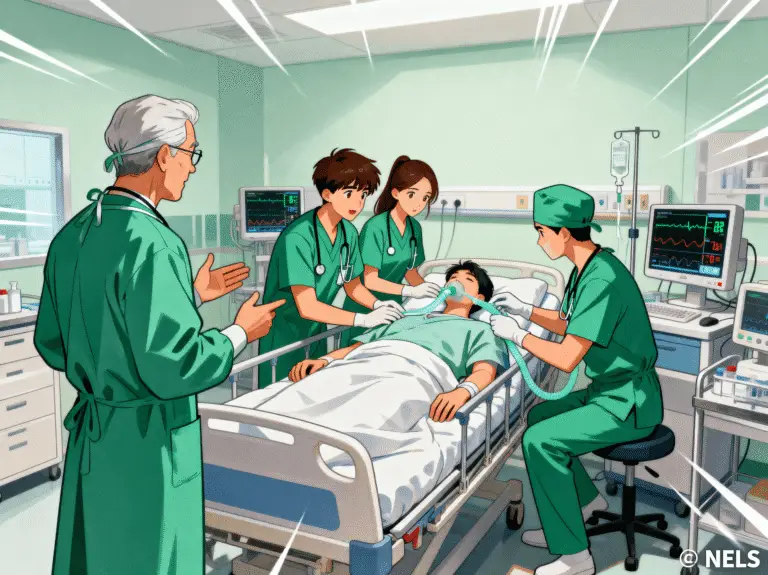
What is National Emergency Life Support (NELS)?
National Emergency Life Support (NELS) is a government-backed emergency medical training program designed specifically for healthcare professionals in India. Developed under the National Programme on Emergency Care (NPEC) by the Ministry of Health & Family Welfare, NELS provides standardized emergency care protocols essential for MBBS students and medical practitioners, paramedical staff & nurses
Unlike international certifications like ACLS or BLS, NELS is tailored for Indian healthcare settings, addressing common emergency scenarios encountered in Indian hospitals and primary health centers.
Why NELS is Essential for Medical professionals & Paramedics?
- Government Mandate and Recognition
- Official backing: Supported by Ministry of Health & Family Welfare (MoHFW)
- State implementation: Rolled out across all states through State Health Resource Centres
- Career requirement: Increasingly preferred by government hospitals for recruitment
- Rural postings: Very helpful for managing emergencies in district hospitals and CHCs
- Clinical Competency Development
- Emergency management skills for real-world scenarios
- Life-saving protocols standardized for Indian healthcare
- Team-based approach to emergency care
- Documentation standards as per Indian medical practices
NELS Course Structure and Duration
Training Components
Module | Duration | Focus Area |
Basic Life Support | 4 hours | CPR, AED usage, choking management |
Advanced Emergency Care | 6 hours | Cardiac emergencies, arrhythmia management |
Trauma Management | 4 hours | Primary survey, haemorrhage control |
Medical Emergencies | 4 hours | Respiratory distress, poisoning, seizures |
Practical Assessment | 2 hours | Skill demonstration, scenario-based testing |
Course Format
- Total Duration: 5 days
- Methodology: Hands-on training with simulation exercises
NELS Registration Process: Step-by-Step Guide
Official Registration Sources
- State Health Resource Centre (SHRC)
- Visit your state SHRC website
- Look for “Emergency Care Training” or “NELS” sections
- Download registration forms and course calendar
- Designated Medical Colleges
- Government medical colleges with Skill Labs
- District hospitals with emergency departments
- Teaching hospitals recognized by MoHFW
- Ministry of Health Portals
- National Health Systems Resource Centre (NHSRC)
- MoHFW training announcements
- State Health Department notifications
Registration Requirements
- Eligibility Criteria
- Interns and postgraduate students
- Practicing medical officers
- Paramedical staff
- Nursing Officers
- Valid medical college ID/registration
- Required Documents
- Medical college identity card
- MBBS marksheet/enrollment certificate
- Government photo ID (Aadhar/PAN)
- Passport-size photographs
- Registration fee receipt (if applicable)
NELS Examination Pattern and Assessment
Theory Assessment (40% weightage)
- Multiple Choice Questions (50 questions)
- Emergency protocols and algorithms
- Drug dosages and indications
- Anatomy and physiology relevant to emergencies
- Scenario-based problem solving
- Case Studies (5-10 scenarios)
- Real-world emergency situations
- Decision-making under pressure
- Team coordination aspects
Practical Assessment (60% weightage)
Skill Stations
- CPR Demonstration
- High-quality chest compressions
- Proper ventilation techniques
- AED usage and safety protocols
- Airway Management
- Basic airway positioning
- Bag-mask ventilation
- Simple airway adjuncts
- Emergency Scenarios
- Cardiac arrest management
- Choking relief techniques
- Basic trauma assessment
- Team Communication
- Clear instruction delivery
- Role allocation in emergencies
- Documentation requirements
Passing Criteria
- Minimum Score: 70% overall
- Practical Competency: Must pass all skill stations
- Retake Policy: One free retake within 6 months
Career Benefits of NELS Certification for MBBS Students
Immediate Academic Advantages
- Enhanced Clinical Postings
- Better performance in emergency rotations
- Confidence during casualty duties
- Improved patient management skills
- Faculty recognition for emergency preparedness
- Competitive Examination Edge
- Practical knowledge for NEET PG scenarios
- Clinical case discussions advantage
- Interview preparation for emergency medicine
Long-term Career Benefits
Government Job Preferences
- Medical Officer Recruitment: Many states are in consideration to give preference to NELS-certified candidates
- Rural Health Programs: Very helpful for CHC and PHC postings
- Emergency Department Roles: Extremely helpful for emergency medicine positions
- Disaster Management Teams: Qualification for state emergency response teams
Private Sector Opportunities
- Hospital Employment: Private hospitals increasingly prefer NELS certification
- Emergency Consultation: Telemedicine emergency consultation roles
- Corporate Health: Occupational health emergency response
- Medical Tourism: International patient emergency care
Preparation Strategy for NELS Training
Pre-Course Study Materials
Recommended Textbooks
- Emergency Medicine for MBBS Students (Indian authors preferred)
- NELS Official Handbook (available at training centers & online)
- Basic Life Support Guidelines (Indian Resuscitation Council)
- Emergency Protocols (State health department guidelines)
Online Resources
- Video Tutorials: CPR techniques and emergency scenarios
- Mobile Apps: Emergency drug calculations, protocols
- Simulation Videos: Team-based emergency management
- Case Studies: Indian emergency medicine journals
During Training Tips
- Active Participation
- Volunteer for practical demonstrations
- Ask questions during case discussions
- Practice on mannequins repeatedly
- Engage in team scenarios
- Note-Taking Strategy
- Document key algorithms and protocols
- Record drug dosages and contraindications
- Note trainer tips and practical insights
- Create quick reference cards
- Peer Learning
- Form study groups with course participants
- Practice scenarios with classmates
- Share experiences and learning points
- Support each other during assessments
Common NELS Emergency Scenarios for Practice
High-Yield Clinical Scenarios
- Cardiac Emergencies
- Cardiac Arrest Protocol: Recognition, CPR initiation, defibrillation, post-resuscitation care
- Myocardial Infarction: STEMI identification, thrombolytic therapy protocols
- Arrhythmias: Unstable tachycardia, bradycardia management
- Cardiogenic Shock: Recognition, supportive care, transfer protocols
- Respiratory Emergencies
- Acute Asthma: Severity assessment, bronchodilator therapy, steroid administration
- COPD Exacerbation: Oxygen therapy, nebulization protocols
- Pneumothorax: Recognition, needle decompression basics
- Respiratory Failure: Non-invasive ventilation indications
- Trauma Management
- Primary Survey: ABCDE approach adaptation for Indian settings
- Haemorrhage Control: Direct pressure, tourniquet application
- Fracture Stabilization: Splinting techniques, pain management
- Head Injury Assessment: GCS scoring, neurological monitoring
- Medical Emergencies
- Seizure Management: Status epilepticus protocols, safety measures
- Poisoning Cases: Common Indian poisons, antidote administration
- Diabetic Emergencies: Hypoglycaemia, DKA recognition and management
- Anaphylaxis: Rapid identification, epinephrine administration
State-Specific NELS Implementation Updates
Recent Government Initiatives
- Mandatory Integration: Several states planning to make NELS part of MBBS curriculum
- Funding Allocation: Increased budget for emergency care training
- Digital Certificates: Online verification system implementation
- Quality Assurance: Standardized training protocols across states
Future Scope and Career Pathways
Emerging Opportunities
- Specialized Emergency Medicine
- Emergency Medicine Residency: NELS will emerge as prerequisite for MD Emergency Medicine
- Critical Care Subspecialty: Foundation for ICU medicine careers
- Disaster Medicine: Specialization in mass casualty management
- Pre-hospital Care: Ambulance service medical protocols
- Technology Integration
- Telemedicine Emergency Consultation: Remote emergency guidance
- AI-Assisted Diagnosis: Emergency decision support systems
- Mobile Health Apps: Emergency care guidance for rural areas
- Simulation Training: Advanced emergency scenario training
- Policy and Administration
- Healthcare Policy: Emergency care system development
- Training Program Development: State-level emergency education
- Quality Assurance: Hospital emergency care standards
- Research and Development: Emergency medicine research initiatives
Frequently Asked Questions (FAQs)
General Information
Q1: Is NELS certification mandatory for MBBS graduation? A: Currently not mandatory nationwide, but several states are considering integration into MBBS curriculum. Check with your state medical education board.
Q2: How does NELS certification help in PG entrance preparation? A: While not directly scored in NEET PG, NELS provides practical clinical knowledge valuable for scenario-based questions and interviews.
Registration and Training
Q3: Where can I find authentic NELS training centers? A: Check your State Health Resource Centre (SHRC) website, government medical college skill labs, or contact your state health department’s training division.
Q4: What is the typical batch size for NELS training? A: Usually 20-30 participants per batch to ensure adequate hands-on training and individual attention during practical sessions.
Q5: Can private medical college students join government NELS programs? A: Yes, most government programs accept private college students, though fees may vary. Check specific program eligibility criteria.
Certification and Validity
Q6: Is NELS certificate recognized outside India? A: NELS is designed for Indian healthcare settings. For international recognition, consider complementary certifications like BLS or ACLS.
Q7: How do I verify my NELS certificate authenticity? A: Certificates issued by recognized training centers can be verified through the issuing institution or state health department records.
Q8: What happens if I fail the NELS assessment? A: Most programs offer one free retake within 6 months. Additional attempts may require re-registration and fee payment.
Career Impact
Q9: Do government hospitals prefer NELS-certified doctors? A: Increasingly yes, especially for emergency department roles and rural postings. Many state recruitments now mention NELS as preferred qualification.
Q10: Is NELS sufficient for emergency medicine specialization? A: NELS provides foundation knowledge. Specialization requires additional training, DM Emergency Medicine, and advanced certifications.
Conclusion: Making NELS Your Career Investment
National Emergency Life Support (NELS) certification represents more than just another medical qualification—it’s an investment in life-saving skills that directly impact patient outcomes in Indian healthcare settings. For MBBS students, NELS offers a unique opportunity to gain government-recognized emergency management competencies at an affordable cost.
Key Takeaways for MBBS Students
- Early Certification Advantage: Pursuing NELS during medical school provides significant career benefits and practical clinical skills
- Government Recognition: Official backing by MoHFW ensures long-term value and recognition across Indian healthcare systems
- Cost-Effective Training: Compared to international certifications, NELS offers comprehensive emergency training at fraction of the cost
- Career Differentiation: NELS certification sets you apart in competitive medical job markets and residency applications
- Practical Clinical Skills: Real-world emergency management skills applicable in Indian healthcare scenarios
Next Steps for Registration
- Contact your medical college Skill Lab for upcoming NELS batches
- Visit your State Health Resource Centre website for official registration links
- Connect with senior students or faculty who have completed NELS training
- Plan your training schedule around academic commitments and exam periods
As India’s healthcare system continues expanding emergency care infrastructure, NELS-certified medical professionals will play increasingly crucial roles in saving lives and improving patient outcomes. For current MBBS students, NELS certification is not just recommended—it’s becoming essential for successful medical careers in modern India.
Start your NELS journey today and become part of India’s next generation of emergency care professionals equipped with standardized, life-saving skills.